
In the symphony of industry, safety equipment plays a crucial note, and safety glasses, in particular, are the unsung heroes protecting the eyes of workers across various sectors. The use of safety glasses isn't just a regulatory hoop to jump through—it's a critical precaution that can prevent life-changing accidents. Industries far and wide, from the cavernous workshops of steel mills to the sterile labs of pharmaceutical companies, understand that when it comes to sight, prevention is far better than cure. Here’s a comprehensive look at safety glasses and why they’re indispensable in the modern industrial landscape.
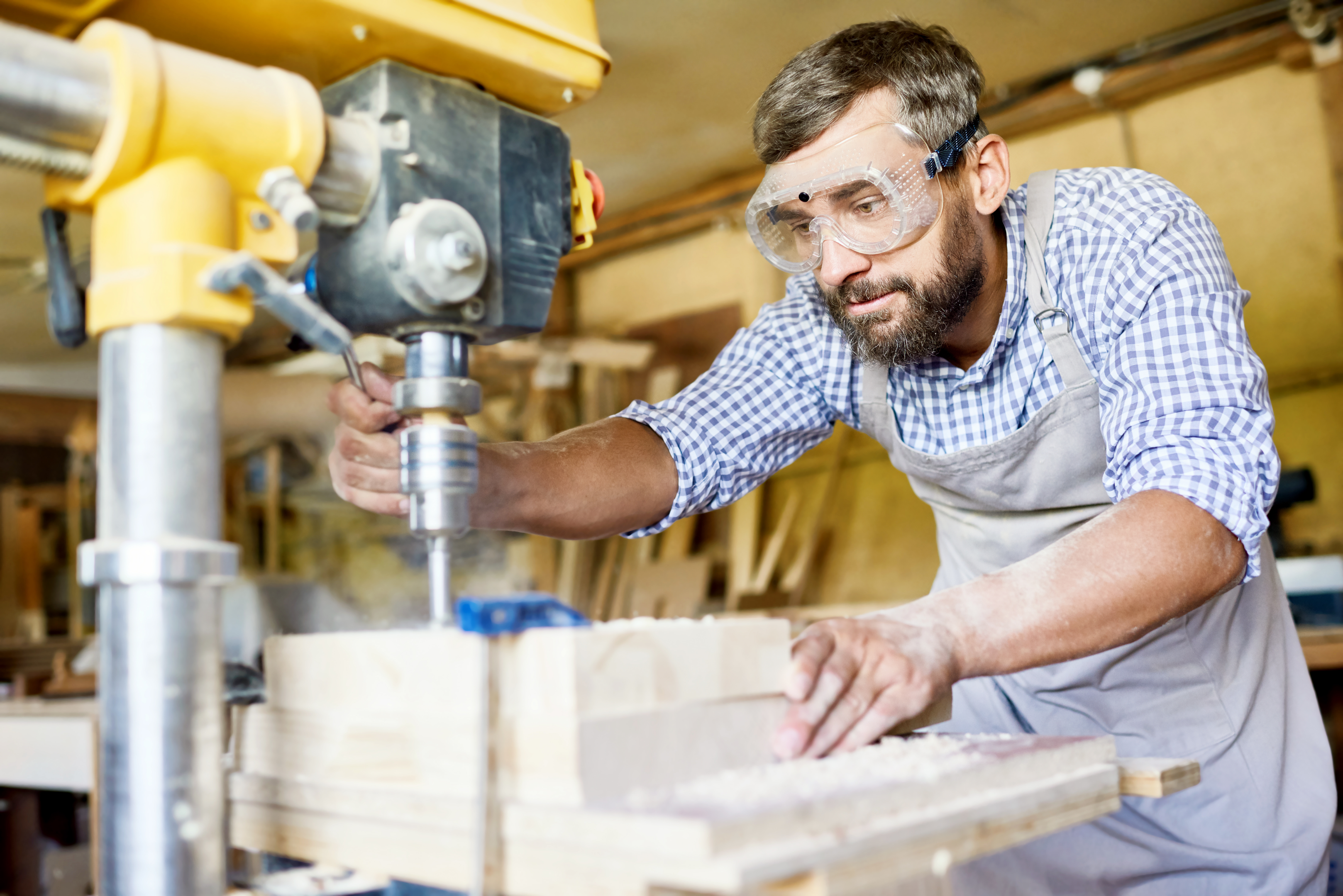
The Panoramic Spectrum of Safety Eyewear
Safety glass technology has come a long way from its origins. Today, it offers more than just protection, with various types tailored to meet specific needs. High impact-resistant lenses are designed to withstand the rigours of heavy-duty work. Prescription safety glasses provide a clear vision for those who need corrective lenses, ensuring that no worker is disadvantaged on the safety front. Anti-fog, polarized, and tinted lenses add further layers of functionality, making safety glasses adaptable for a wide range of work environments.
Who's Looking Out for Safety Glasses?
The gaze of safety glasses extends across a myriad of sectors where eye protection is paramount. Construction sites are a veritable ballet of motion where dust, debris, and UV exposure can pose significant eye risks. Healthcare facilities, where contagious diseases and chemical splashes are a concern, rely on safety glasses to prevent cross-contamination and injuries.
A line doesn't move in a manufacturing plant without myriad safety hazards, and the eyes are very much in the line of fire. Meanwhile, laboratories demand not just the physical barrier of safety glasses but also specialized lenses that protect against ultraviolet and infrared radiation.
The Vision-Clearing Advantages of Safety Glasses
Investing in safety glasses isn't just an expense; it's a commitment to safeguarding a company's most important asset—its human capital. In the immediacy, safety glasses protect against a host of hazardous impactions. However, in the long term, they also contribute to employee morale, demonstrating an employer’s dedication to worker well-being. Compliance with safety standards translates to a culture of safety, which can positively impact productivity and profitability.
Focusing on Foresight: How to Choose the Right Safety Glasses
Selecting the most suitable safety glasses for an industry isn't an onerous task but rather one of foresight. Employers and employees need to evaluate the work environment and the types of risks involved. Is it the potential for heavy blows, fine particulates in the air, or extreme temperatures?
Comfort is as significant as protection. Employees should feel at ease wearing their safety glasses for extended shifts, as any discomfort may lead to non-compliance. Ensuring a proper fit and sufficient ventilation are crucial to long-term wearability. The choice between framed and frameless designs can also be a matter of personal preference, so offering options can go a long way.
Polishing Your Approach to Safety Glasses Maintenance
Safety glasses, like any tool, require proper care to maintain their efficacy. Ongoing maintenance isn't just about aesthetics; it’s about ensuring that the lenses remain unobstructed. Simple practices like regular cleaning with an approved lens solution and proper storage can significantly lengthen the lifespan of safety glasses. Instructing employees about the importance of these practices is a small investment that can prevent downtime and ensure that protective lenses are clear when they’re needed most.
Choosing the Right Protective Eyewear for the Job
When it comes to shielding eyes from harm, selecting the right protective eyewear is crucial. Safety goggles and spectacles serve as the primary line of defence against the myriad dangers present in various industrial settings. These dangers can range from hazardous materials that could splash into the eyes to flying debris generated by machinery. Unlike standard prescription glasses, safety goggles are designed to offer comprehensive impact protection, guarding against sudden impacts that could lead to severe eye injuries.
Furthermore, many pieces of protective eyewear come equipped with an anti-fog lens feature to ensure clear vision even in the most challenging and humid environments. It's imperative to choose the appropriate safety spectacles to not only comply with workplace safety regulations but to ensure the wearer's eyes are protected from potential threats effectively. This means considering the specific risks present in one's work environment, such as the likelihood of exposure to chemicals, particles, or other hazardous materials, and selecting protective eyewear that is designed to mitigate these specific risks.
The Refraction of Workplace Safety
In conclusion, safety glasses symbolize an industry's commitment to protecting its workers. Eye protection isn’t a one-size-fits-all investment; it's a tailored approach to safeguarding an individual’s sight. With a plethora of options available, industries can indeed find the right fit for every worker and work environment. Prioritizing safety glasses doesn't just make ethical sense; it makes good business sense, as it aligns with the core values of employee welfare and productivity.
In the labyrinth of industry standards, personal protective equipment stands out as a beacon of security. It’s not just about following regulations—it's about ensuring that every worker can return home with their vision intact. Industries that recognize the value of safety glasses set their sights on a brighter, safer future for their workforce. Through prudent selection, regular maintenance, and a commitment to a culture of safety, safety glasses illuminate the path towards workplace well-being.